Most Dangerous Issue Will Be Deepfake In Cyber World of 2024

In the era of Artificial Intelligence (AI), where every aspect of our lives is touched by intelligent machines, there arises a dark shadow – the issue of Deepfake. The ability of AI to generate content seamlessly, be it through chatbots producing articulate text or graphic design tools crafting images in the blink of an eye, has revolutionized various industries. However, with great technological strides come great risks, and Deepfake is a prime example of the double-edged sword that AI poses.
Understanding Deepfake:
Deepfake is an AI-driven technology that employs machine and deep learning programs to create deceptive content, primarily in the form of fake videos. This sophisticated technique utilizes Convolutional Neural Networks (CNNs) and Neural Language in Deep Learning to produce hyper-realistic videos that can be incredibly challenging to distinguish from genuine footage. Unlike the days of yore when fake images were created using Photoshop, Deepfake has elevated the art of deception to new heights by seamlessly manipulating moving images.
The Impact on the Common Person:
The danger lies in the fact that the average person may find it nearly impossible to discern between authentic and manipulated content. As AI-generated videos become more convincing, individuals run the risk of falling victim to misinformation and deception. Deepfake poses a threat not only to personal reputations but also to the fabric of trust in our digital age.
Open Source Technology and Accessibility:
Adding to the complexity of the issue is the open-source nature of Deepfake technology. With numerous platforms providing tools to create Deepfake content, the barrier to entry is remarkably low. This accessibility empowers both tech-savvy enthusiasts and potential cybercriminals alike, giving rise to a host of ethical and security concerns.
 |
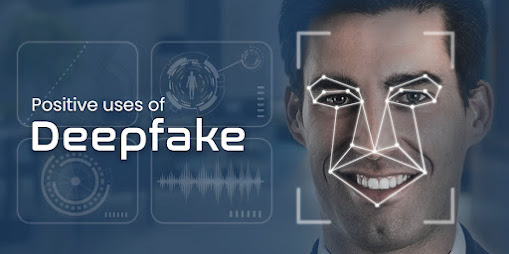
| Deepfake using AI |
The Cybersecurity Nightmare:
For cybercriminals, Deepfake presents a golden opportunity to exploit unsuspecting individuals. From fraudulent billing to identity theft, the implications are far-reaching. The ability to manipulate videos with such precision raises concerns about the credibility of digital evidence in legal matters, further complicating the landscape of cybersecurity.
Conclusion:
As we navigate the AI-driven landscape of 2024, it is imperative to acknowledge the dark side of technological innovation. Deepfake, with its potential to deceive and disrupt, underscores the need for a comprehensive approach to cybersecurity. While AI continues to propel us into the future, responsible development, ethical considerations, and robust cybersecurity measures are essential to ensure that the benefits of technology do not come at the cost of our collective security and trust.

Comments
Post a Comment